NASA Space Apps Hackathon Athlone
Comparing climate data from the east and west coast
Let's begin4 - 6th, Oct 2024
TUS, Athlone
Our Challenge
Over the last several decades, a huge amount of climate data from numerous sources has been collected. This data is freely available to the public, but making sense of this vast amount of data is not easy! Your challenge is to use the open-source data on the U.S. Greenhouse Gas Center website to tell a compelling story about climate change.
Our Source
U.S. Greenhouse Gas Center Uniting Data and Technology to Empower Tomorrow's Climate Solutions

Featured Studies
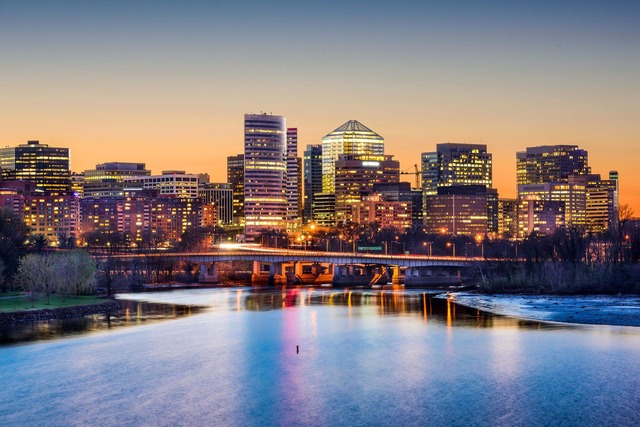
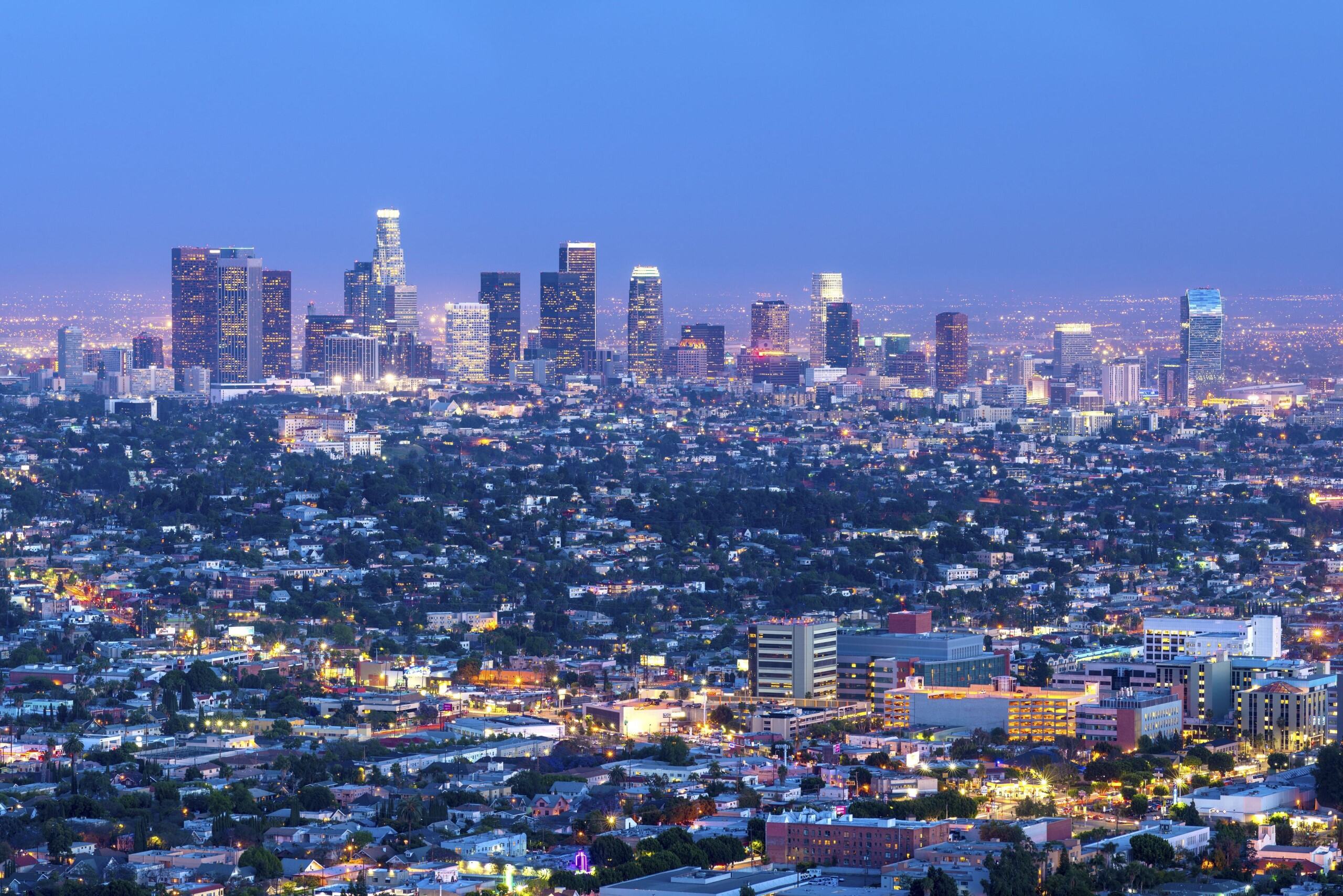
CO2 and Methane, the most prominent Greenhouse gases
Carbon Dioxide
Carbon dioxide is Earth’s most important greenhouse gas: a gas that absorbs and radiates heat. Unlike oxygen or nitrogen (which make up most of our atmosphere), greenhouse gases absorb heat radiating from the Earth’s surface and re-release it in all directions—including back toward Earth’s surface. Without carbon dioxide, Earth’s natural greenhouse effect would be too weak to keep the average global surface temperature above freezing. By adding more carbon dioxide to the atmosphere, people are supercharging the natural greenhouse effect, causing global temperature to rise. According to observations by the NOAA Global Monitoring Lab, in 2021 carbon dioxide alone was responsible for about two-thirds of the total heating influence of all human-produced greenhouse gases.
SourceMethane 
Methane (CH4) is a powerful greenhouse gas, and is the second-largest contributor to climate warming after carbon dioxide (CO2). A molecule of methane traps more heat than a molecule of CO2, but methane has a relatively short lifespan of 7 to 12 years in the atmosphere, while CO2 can persist for hundreds of years or more. Methane comes from both natural sources and human activities. An estimated 60% of today’s methane emissions are the result of human activities. The largest sources of methane are agriculture, fossil fuels, and decomposition of landfill waste. Natural processes account for 40% of methane emissions, with wetlands being the largest natural source. The concentration of methane in the atmosphere has more than doubled over the past 200 years. Scientists estimate that this increase is responsible for 20 to 30% of climate warming since the Industrial Revolution (which began in 1750).
Source